Whether they are busy sniffing out the best hiking trails in the Catskills or “booping” you for extra treats, your dog’s nose is their ultimate superpower. But did you know that your pup’s snout is more than just a super-powered sniffer?
Here at Pawsitive Spots, our mascot Frank.Endog loves to keep his nose to the ground, uncovering all the best local spots in the Hudson Valley. Today, we are diving into the fascinating science behind that adorable wet nose and why it is literally one of a kind!
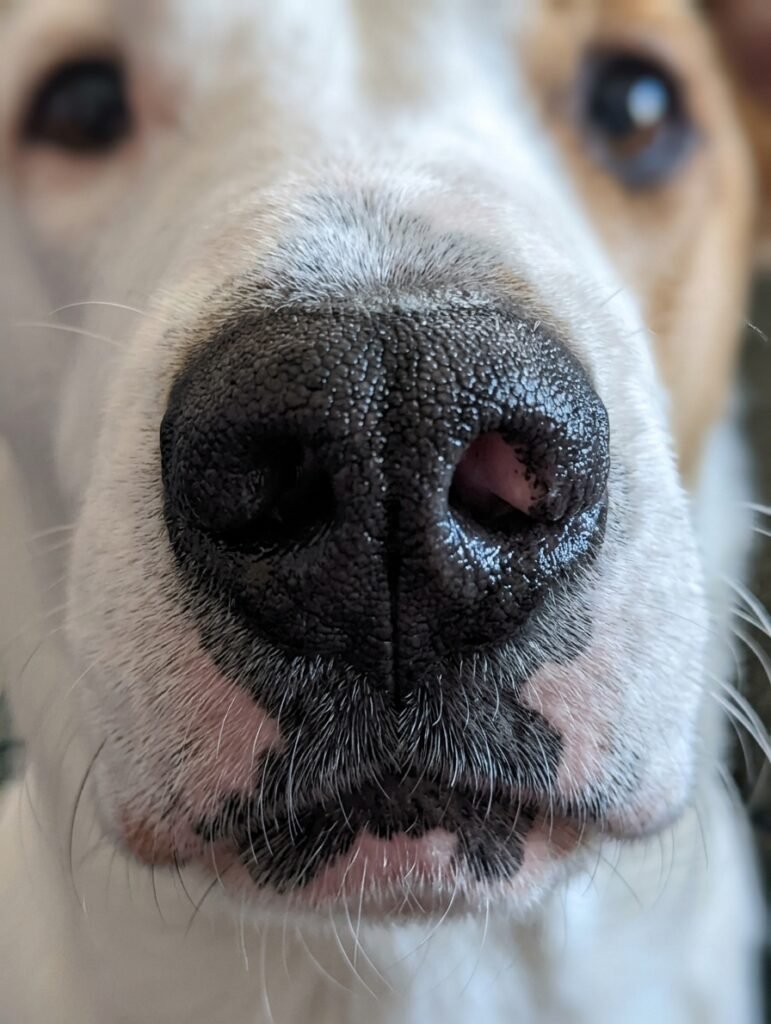
The Science Behind the Snout If you look closely at your dog’s nose (the bare, textured part known as the rhinarium), you will see a tiny, intricate map of dimples, dots, and ridges. Scientists call these “beads” and “grooves.” Just like the swirling patterns on a human fingerprint, the exact combination of these beads and grooves is entirely unique to your dog.
Even identical puppies from the same litter will develop their own distinct nose prints by the time they are two months old!
A Historic Pawsitive ID This isn’t just a new discovery. Long before microchips became the gold standard for keeping our furry friends safe, nose prints were actually used as official identification! Starting all the way back in 1938, the Canadian Kennel Club accepted ink nose prints to register and identify individual dogs. While we highly recommend sticking to microchips and collar tags today, it is pretty amazing to know that your dog has a built-in barcode right on their face.
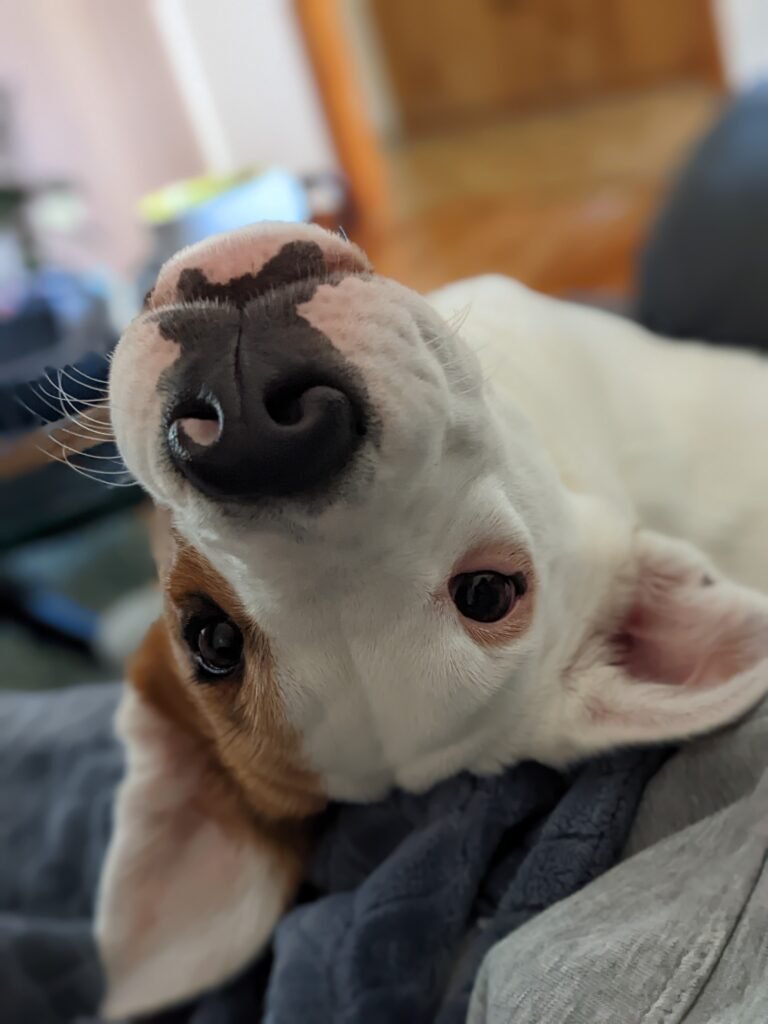
We would love to see those one-of-a-kind snoots! Share a close-up photo of your pup’s nose or snap a picture of them sniffing out a local trail, tag us on Instagram, and we might just feature them on our page!